


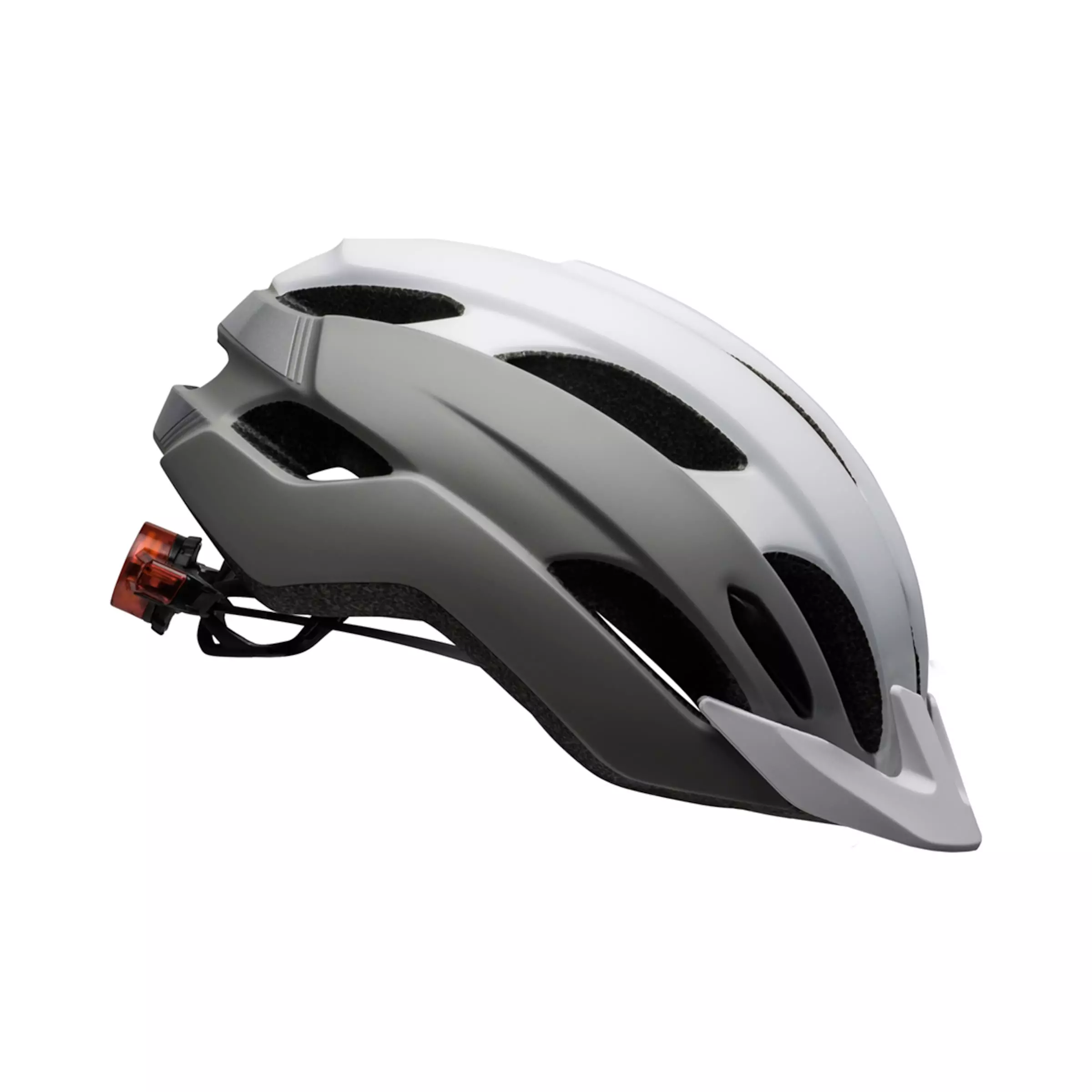
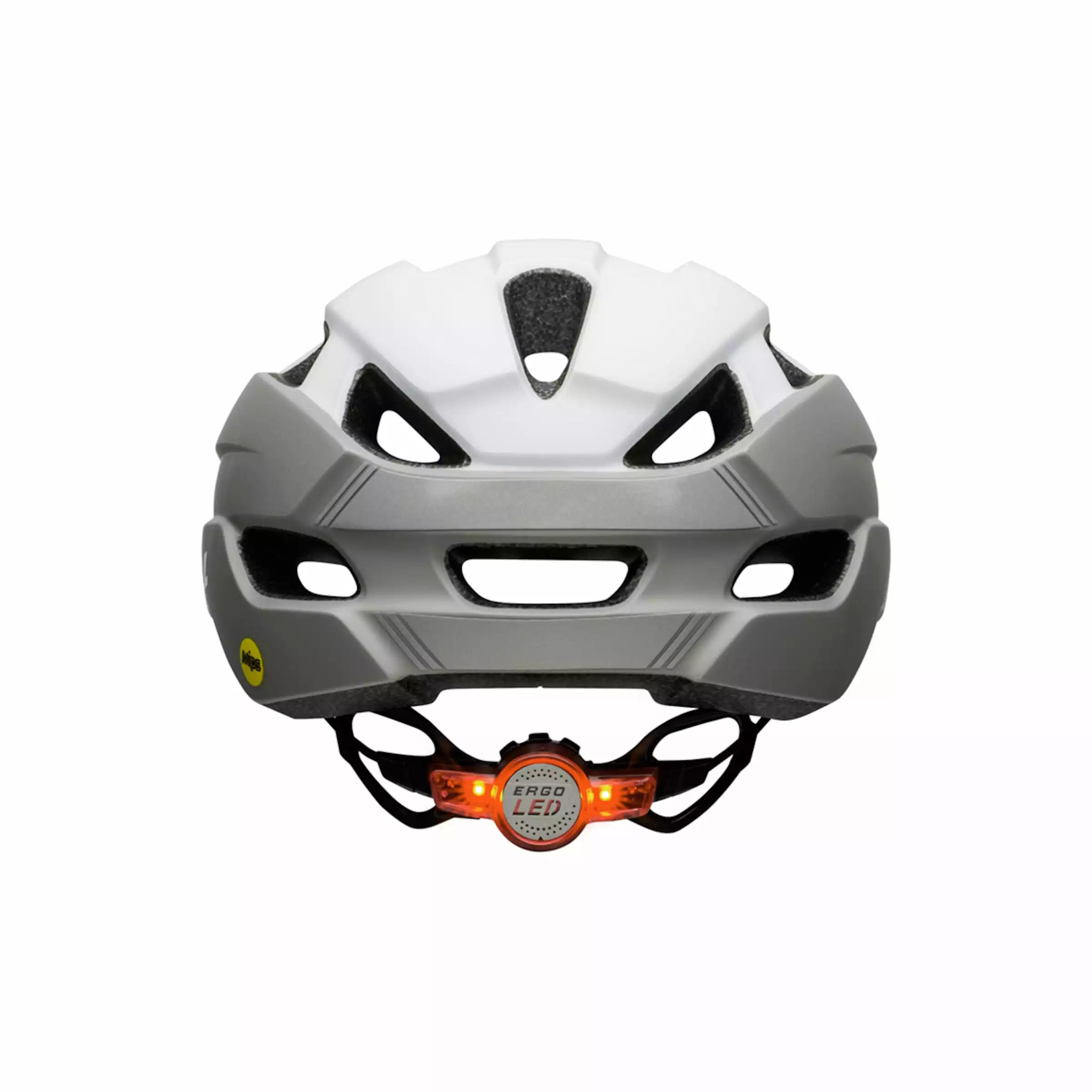
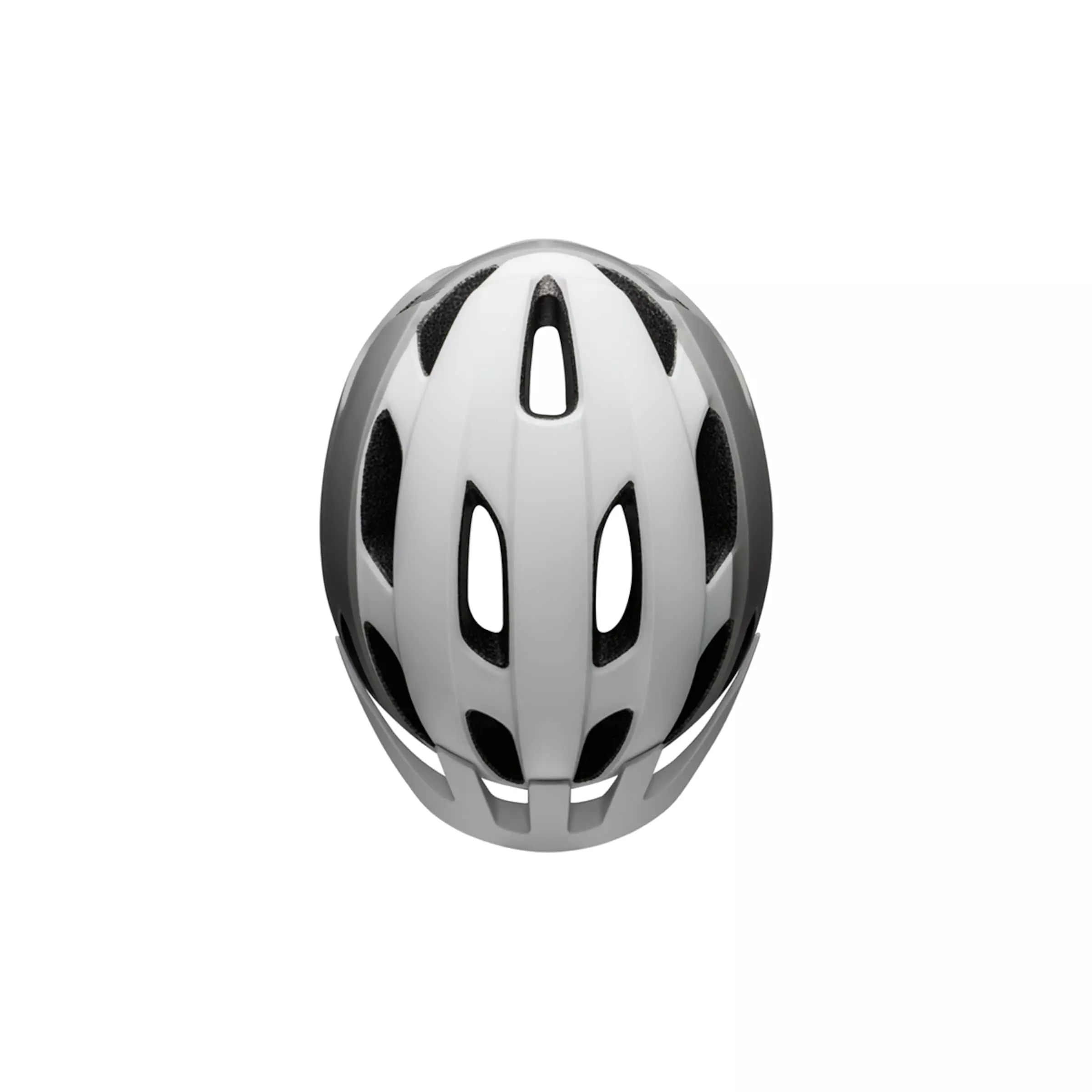


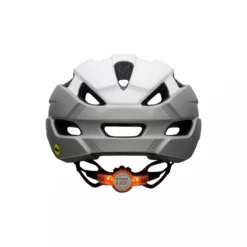
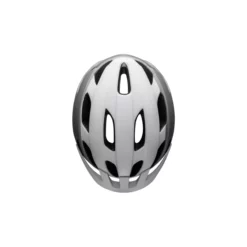

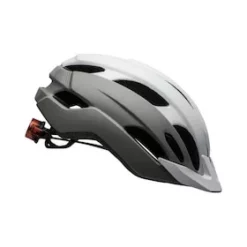
BELL TRACE LED MIPS Bike Helmet
Alkuperäinen hinta oli: 72,89 €.51,02 €Nykyinen hinta on: 51,02 €.
- Ilmainen 1 vuoden takuu
- Ilmainen maailmanlaajuinen toimitus
- Turvallisia maksuja, iloiset asiakkaat
- Vaivattomat ratkaisut, erinomainen asiakaspalvelu.

Whether for fitness rides, adventures or bike tours with the family – featuring an IN-MOLD polycarbonate shell and a sporty, casual design, the BELL TRACE LED MIPS is the perfect all-rounder for every occasion. In addition to a bright LED rear light, this model comes with the MIPS safety system for additional protection for various crash scenarios. The ERGO FIT system features a minimalist, easy-to-use dial and is combined with NO-TWIST TRI-GLIDES strap fasteners. Absolutely comfortable, absolutely cool.
Details:
• Rechargeable LED rear light incl. USB cable
• Robust FUSION IN-MOLD POLYCARBONATE SHELL
• 16 vents
• Moisture-wicking liner pads
• Removable visor
• Ratcheting buckle
• Adjustable NO-TWIST TRI-GLIDES straps
• ERGO FIT adjustment system
• MIPS system reduces rotational forces
• EN1078
Weight: approx. 380 g (size UA)
FUSION IN-MOLD POLYCARBONATE SHELL:
The EPS foam is injected directly into the thin micro shell while it is still in the mould, instead of shaping it separately and sticking it on.
NO-TWIST TRI-GLIDES:
The strap system is easy to adjust, keeps the straps flat and prevents twisting – which helps save some energy when riding in the wind.
ERGO FIT:
The special fitting system for one size models is easy to adjust with one hand and ensures a perfect fit of the helmet.
WHAT IS MIPS?
MIPS (Multi-Directional Impact Protection System) is a slip-plane system within the helmet. It is designed to rotate inside the helmet to slow down or reduce the impact energy acting on the brain, which helps reduce head injuries caused by rotational impacts.
WHY IS MIPS IMPORTANT?
When a head rotates quickly and comes to a sudden stop, the rotational acceleration can cause the brain tissue to experience high levels of strain. This stretching of the tissue caused by these motions may result in various types of brain injury. MIPS is designed with the intent to address rotational acceleration from impact.
HOW DOES IT WORK?
MIPS uses a slip-plane system that moves inside the helmet, imitating the brain’s own protection system. This layer is designed to rotate inside the helmet with the intent to potentially slow or reduce the amount of energy transferred to or from the head. Science tells us that if we can reduce the strains associated with rotational acceleration, we might reduce the risk and severity of brain injury.
| väri | matte white/silver |
|---|---|
| Manufacturer`s ref. | 210226-005 |
| GTIN | 768686286711 |
| Helmet features | MIPS |
Kirjoita ensimmäinen arvio tuotteelle “BELL TRACE LED MIPS Bike Helmet”
Tutustu myös

Vaatteet

Bib-housut
Pyöräilypaidat
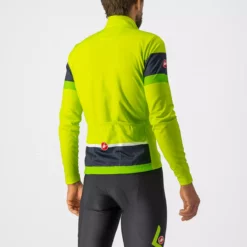
Pyöräilypaidat
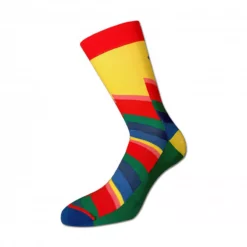
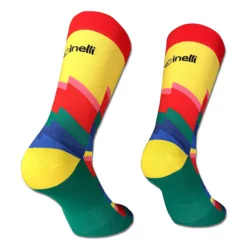
Pyöräilysukat
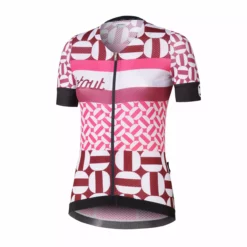
Pyöräilypaidat
Housut maastopyöräilyyn
Arviot
Tuotearvioita ei vielä ole.